Quiet Opulence, Gentle Footprints

Today we are exploring low-impact luxury home materials, celebrating finishes, surfaces, and textiles that pair sensory richness with verifiable sustainability. Expect tactile stories about stone, wood, clay, and next generation composites, guidance on meaningful certifications and durability, and practical ways to choose beauty that respects climate, health, and future repair. Share your successes and dilemmas in the comments, and subscribe for field tested checklists, supplier spotlights, and lived in case studies proving refinement can be restorative rather than extractive.

Defining Quiet Luxury Without the Footprint

Luxury no longer means excess; it means intention expressed through materials that last, heal easily, and do minimal environmental harm. Low impact choices reduce embodied carbon, avoid toxic additives, favor traceable sourcing, and welcome repair. We will translate certifications, ask sharper vendor questions, and select textures that invite touch while honoring the planet. Expect pragmatic criteria that make beautiful decisions simpler when the palette, budget, and schedule need clear guidance.

Reclaimed Stone and Thin Slabs

Salvaged thresholds, flagstone, and marble offcuts carry history while averting new extraction. Honeycomb backing and thin slab fabrication reduce weight and transport emissions without erasing tactile depth. Prioritize local reclamation yards, tune grout color to extend visual continuity, and use mechanical anchoring where feasible. Concentrate stone at touchpoints like hearths and entries for a quietly monumental effect with fewer resources and easier future reuse.

Clay Plaster and Limewash Finishes

Clay and lime breathe with occupants, buffering humidity, softening echoes, and welcoming repair with simple recoat routines. Low emission chemistry and mineral pigments keep indoor air calm, while layered brushwork yields depth that machine finishes cannot mimic. Lime cures by carbonating, slowly gaining strength. Expect gentle variation, celebrate handwork, and specify compatible primers so future maintenance remains simple, dust light, and delightfully tactile for decades.

Terrazzo with Recycled Aggregates

Terrazzo shines when it diverts waste streams into artistry. Recycled glass, porcelain, or stone chips set in low cement or bio based binders deliver extraordinary durability with responsible content. Precast tiles ease installation and repair; poured options suit high wear zones. Ask for recycled percentages, verify slip resistance, and plan access panels for services. With consistent care, the surface can be refinished rather than replaced, extending life beautifully.

Woods That Age Gracefully and Responsibly

Wood offers warmth, repairability, and acoustic comfort when selected with integrity. Favor FSC certified species, reclaimed timbers, and engineered cores with verified low emissions. Finishes like soap, plant oils, and UV cured coatings extend life without harsh solvents. The aim is slower aging, visible grain, and structures that can be resurfaced, not discarded. Thoughtful joinery and reversible fasteners keep future changes effortless and waste minimal.

FSC Certified Oak and Ash

Rift and quarter sawn oak or ash provide dimensional stability, crisp grain, and quiet elegance suitable for floors, cabinetry, and millwork. Pair with verified chain of custody and no added formaldehyde cores where engineered panels are needed. Finish with hardwax oils or UV cured coatings for easy spot repair. Source regionally when possible to reduce transport impacts, and design profiles that accept refinishing multiple times over long service lives.

Bamboo and Cork Done Right

Rapidly renewable does not automatically equal gentle. Seek bamboo with documented adhesive chemistry and third party emission testing, and cork harvested from well managed forests with robust traceability. Floating assemblies reduce glue use and simplify replacement. Both materials absorb sound pleasingly and feel warm underfoot. Confirm dent resistance for specific rooms and specify natural finishes or waterborne sealers so everyday maintenance aligns with indoor air quality goals.

Textiles and Surfaces That Put Health First
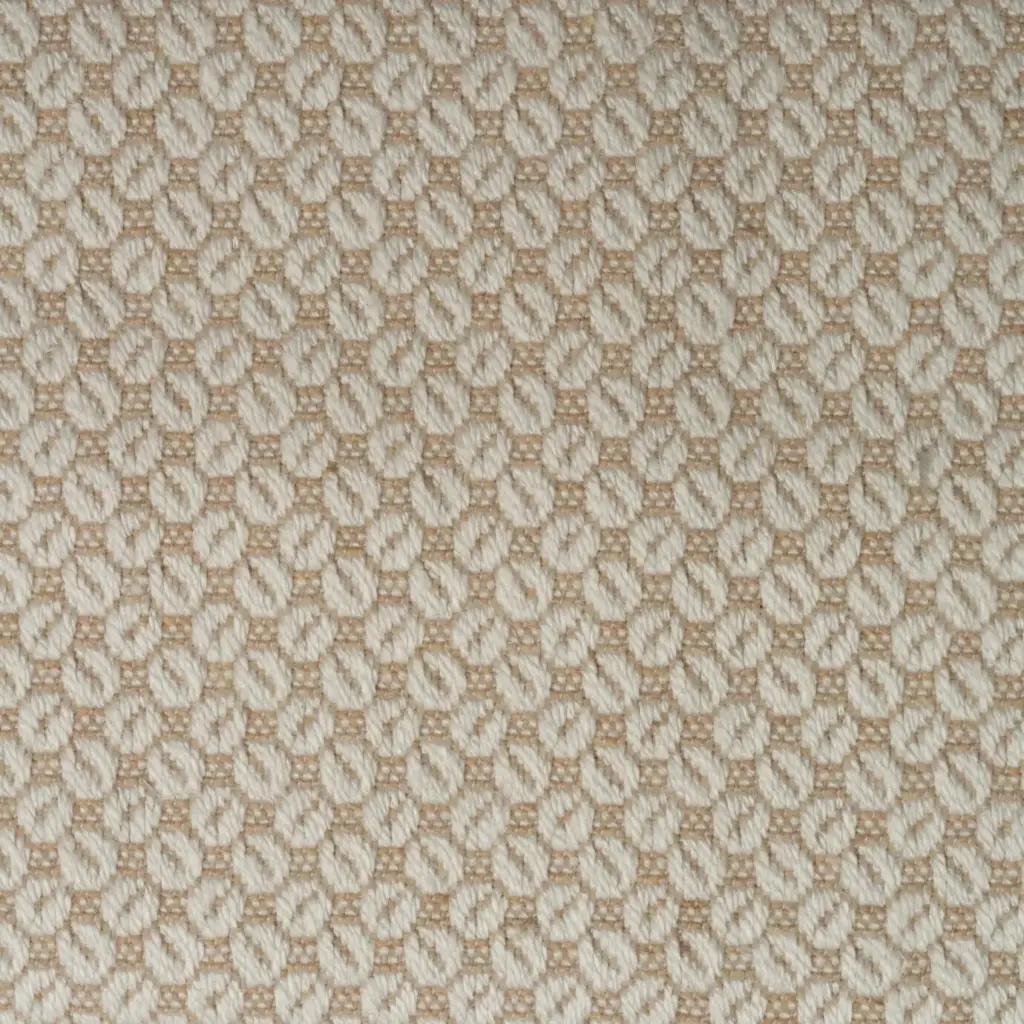
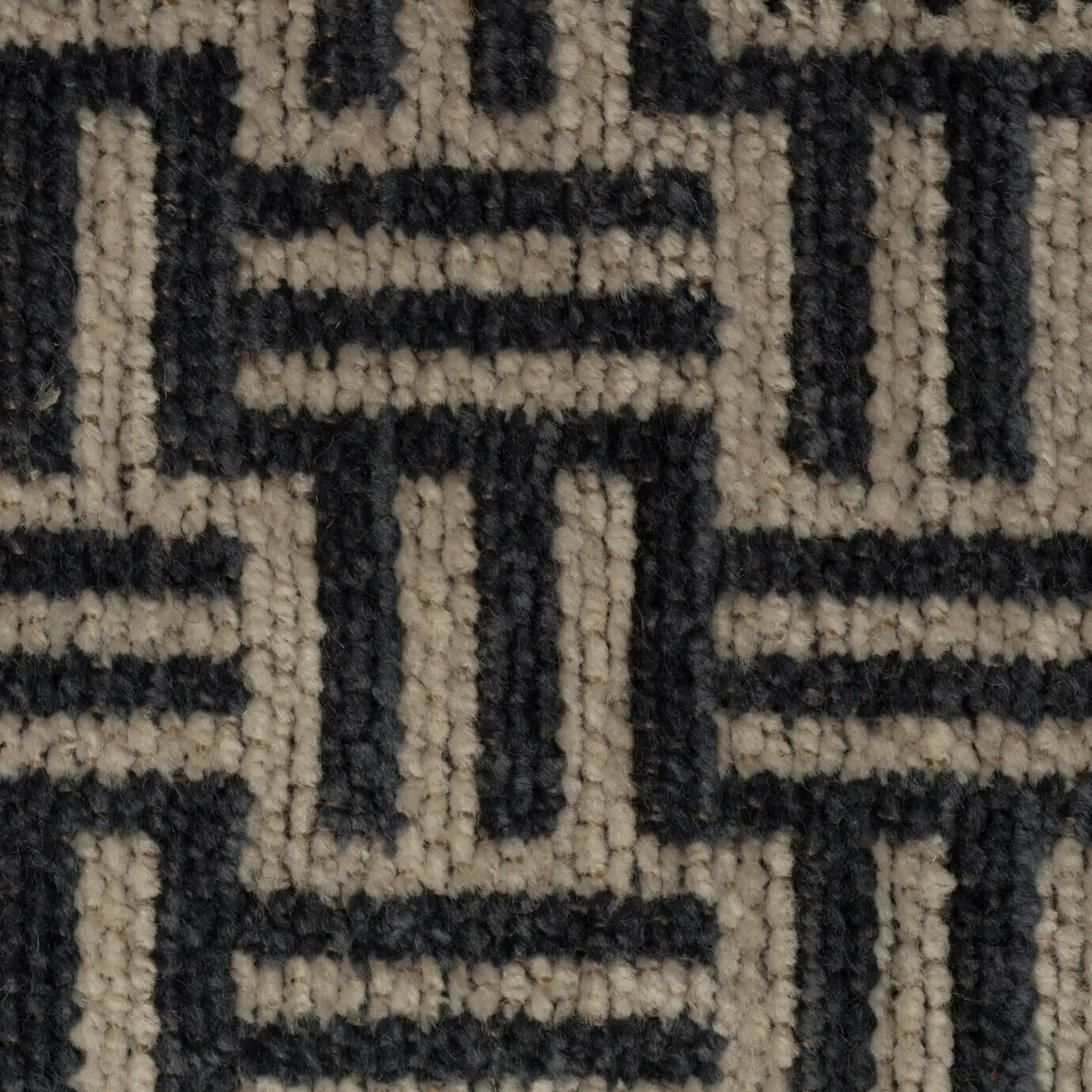
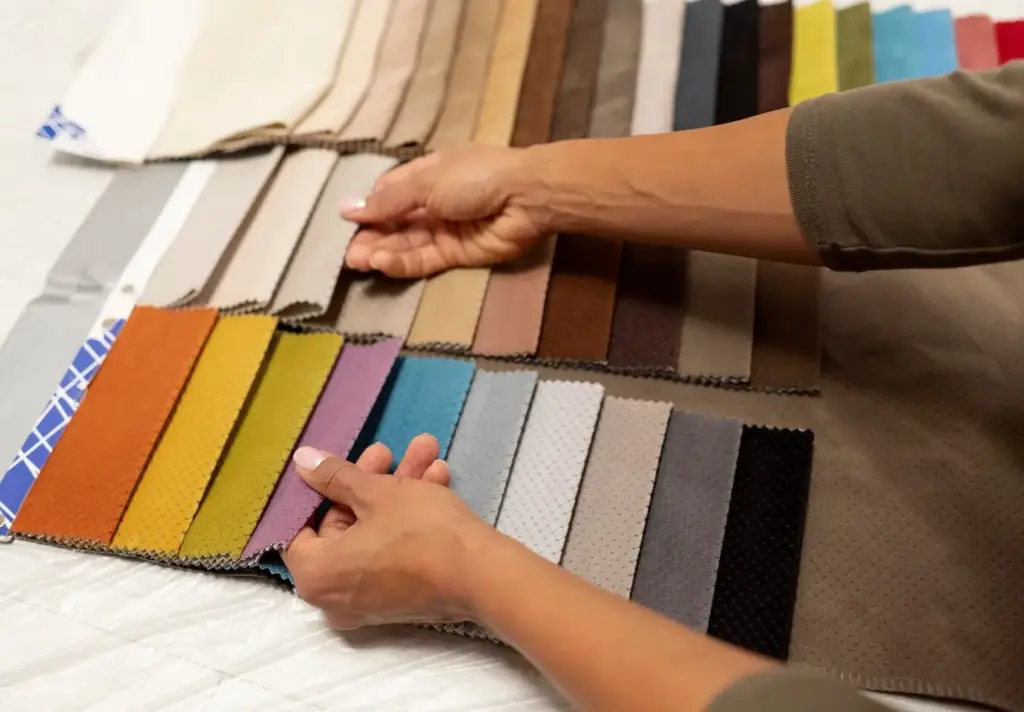
Indoor air quality is the quiet foundation of comfort. Choose upholstery, rugs, and window treatments that avoid unnecessary flame retardants and stain cocktails while still performing beautifully. Natural fibers with responsible finishing, recycled content thoughtfully processed, and cleanable constructions extend life without off gassing. For hard surfaces, prioritize low emission binders, recycled ingredients, and finishes that can be renewed in place rather than replaced under pressure.

Natural Fabrics Without Compromise

Linen, hemp, and wool introduce breathability, texture, and temperature regulation with enduring elegance. Look for GOTS certification on natural fibers, and ask upholsterers about water based adhesives and reversible slipcovers for easy cleaning and updates. Wool rugs can be undyed, naturally flame resistant, and remarkably durable when vacuumed regularly. Specify gentle stain protection only where needed, avoiding broad chemical treatments. The result is calmer air and richer tactility.

Leather Alternatives with Substance

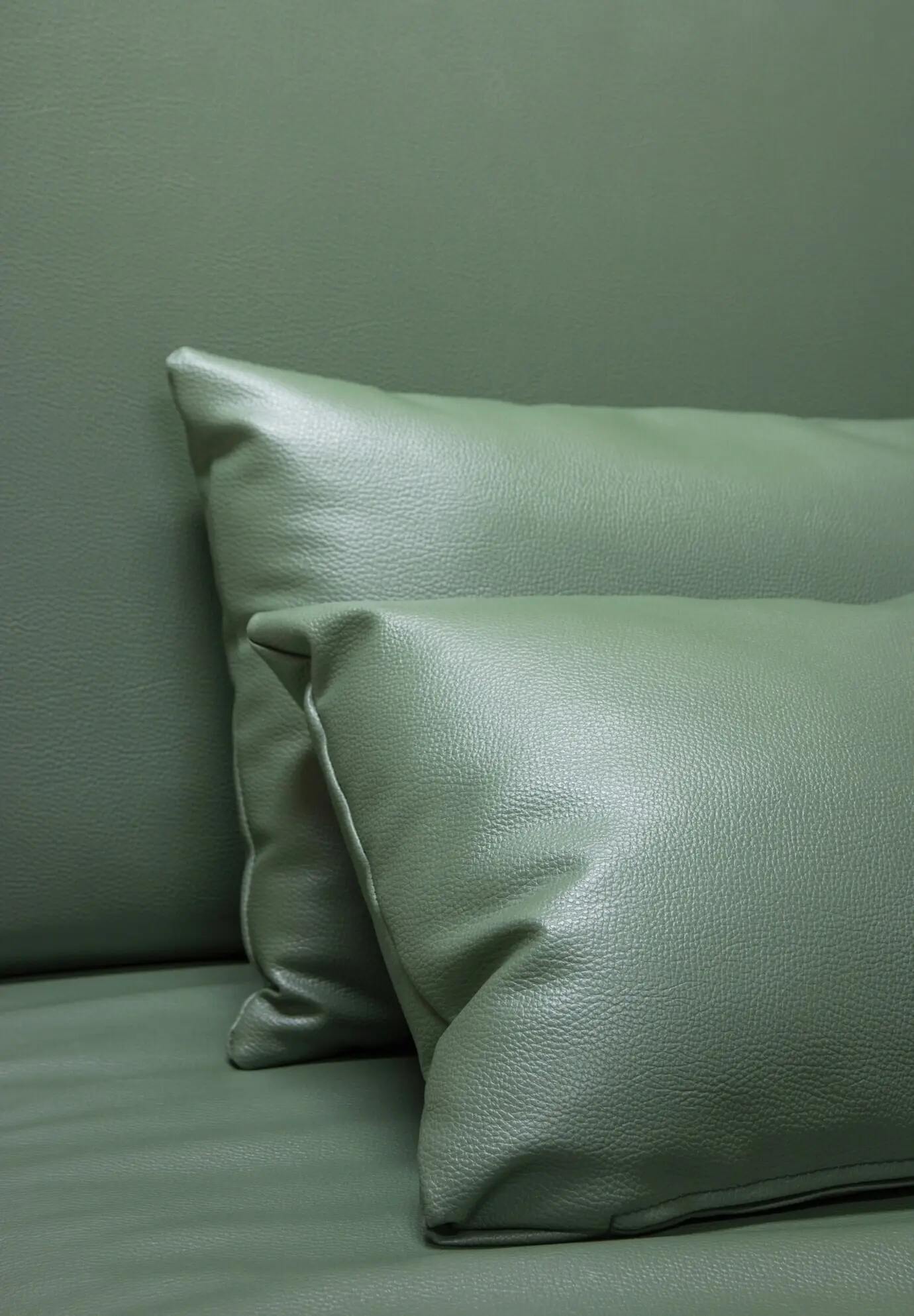
Plant based and bio fabricated leathers are evolving rapidly. Mycelium, cactus, and apple based materials can reduce animal inputs and lower certain impacts, but performance varies. Ask about backing textiles, coatings, and repair methods, since longevity remains the biggest environmental win. Where genuine leather is chosen, favor vegetable tanned, traceable sources. Either path benefits from thoughtful maintenance kits, replaceable cushion covers, and simple patching techniques that age gracefully.

Low VOC Adhesives and Finishes

Specify products that meet strict emission standards and clearly list ingredients, prioritizing waterborne or UV cured finishes and low solvent adhesives that still bond reliably. Subfloor primers, grout sealers, and touch up products should follow the same rule to avoid surprise odors. Train installers on cure times and ventilation plans, keeping schedules realistic. The payoff is crisp craftsmanship, calm air, and surfaces ready to live with immediately, without regret.

Hardware and Metals with Integrity

Choose metals with recycled content and durable finishes like powder coating or PVD that minimize solvents while resisting corrosion. Seek Environmental Product Declarations where available and prioritize modular hardware families with replaceable parts. Brass and stainless can be maintained, not discarded, and patina celebrated rather than fought. Quiet soft close mechanisms reduce wear, while simple mechanical fasteners ease disassembly. Beauty deepens when every hinge, pull, and bracket earns its keep.

Insulation That Feels Luxe by Comfort

Luxury lives in silence and stable temperatures. Bio based insulation like sheep wool, cellulose, or wood fiber improves acoustics and humidity buffering while avoiding harsh binders. Specify borate only treatments where applicable and ensure assemblies stay vapor open as appropriate for climate. Pair with careful air sealing and sound isolating underlayments to calm footfall and conversation. The result is materially responsible comfort that you sense in every room, every season.

Circularity, Repair, and Timeless Design

Design for change as much as for first installation. Favor modular components, mechanical fasteners, and mono material assemblies that invite disassembly and reuse. Provide a household care manual that lists finishes, touch up steps, and supplier contacts. Celebrate patina and periodic maintenance as part of living well. When systems anticipate adaptation, materials serve longer, costs drop, and the quiet luxury of continuity replaces the churn of renovation.

Designing for Disassembly

Click lock floors, screwed panels, and shop finished elements return control to homeowners and future trades. Avoid burying fasteners and minimize permanent adhesives where not structurally needed. Label components, keep spare material, and archive digital cut files for remanufacture. When products include take back programs or standardized hardware, upgrades become elegant, not destructive. Circular thinking begins at the drawing board and rewards every subsequent decision with flexibility.

Maintenance Routines that Honor Materials

Soap and oil keep oiled wood lively, while gentle poultices lift stone stains without harsh chemistry. Limewash can be refreshed with one satisfying afternoon of rolling, avoiding complete repaint cycles. Build seasonal checklists and a simple storage caddy for care products. When maintenance is dignified and clear, households actually do it, and cherished surfaces last longer, deepening character while saving money and preventing needless replacement waste.

Where to Source and Who to Ask

Cultivate relationships with reclamation yards, deconstruction companies, regional quarries, and artisan plasterers who document ingredients. Ask for chain of custody, Environmental Product Declarations, and sample maintenance routines before ordering. Explore take back programs, request offcut optimization from mills, and visit showrooms to touch real finishes. Share your favorite suppliers in the comments, and subscribe to receive vetted directories, sample request templates, and questions that unlock honest answers from vendors.

Budgets, Trade Offs, and Real Homes

Responsible luxury balances impact, cost, and experience. Concentrate investment where hands and eyes linger, and select durable, repairable options elsewhere. Embrace honest materials with calm colorways to extend flexibility. We will share lived examples that show lower impact choices aging beautifully, plus decision frameworks that avoid false economy. Join the discussion, ask specific dilemmas, and help refine a playbook that serves families, craftspeople, and the planet together.

A Kitchen That Breathes

Consider a compact kitchen using reclaimed elm cabinetry on low emission cores, paper composite tops that re oil in minutes, and limewashed walls that mellow light. Induction cooking reduces indoor pollutants while a quiet range hood vents effectively. Hardware uses recycled brass with a living finish, and a wool runner softens acoustics. The space feels deeply warm, yet its materials welcome scuffs, care, and joyful daily use.

Numbers That Guide Choices

Exact impacts vary by product and region, but a simple hierarchy helps: choose fewer materials, prefer verified recycled or responsibly sourced content, minimize transport distances, and prioritize longevity with repair paths. Ask for Environmental Product Declarations to compare embodied carbon, and map maintenance hours against replacement costs. When benefits accumulate across decades, upfront investment becomes value, not vanity. Keep a shared spreadsheet and revisit annually as needs evolve.
Mikelanifuzaloneneli
Privacy Overview

This website uses cookies so that we can provide you with the best user experience possible. Cookie information is stored in your browser and performs functions such as recognising you when you return to our website and helping our team to understand which sections of the website you find most interesting and useful.